In 1636, a Lutheran pastor named Martin Rinkart penned a poem that would resonate through the ages and be transformed in to one of the greatest hymns of thanksgiving ever written:
Now thank we all our God,
With heart and hands and voices,
Who wondrous things has done,
In whom this world rejoices;
Who from our mothers’ arms
Has blessed us on our way
With countless gifts of love,
And still is ours today.
O may this bounteous God
Through all our life be near us,
With ever joyful hearts
And blessèd peace to cheer us;
And keep us in His grace,
And guide us when perplexed;
And free us from all ills,
In this world and the next!
All praise and thanks to God
The Father now be given;
The Son and Him who reigns
With Them in highest Heaven;
The one eternal God,
Whom earth and Heaven adore;
For thus it was, is now,
And shall be evermore.
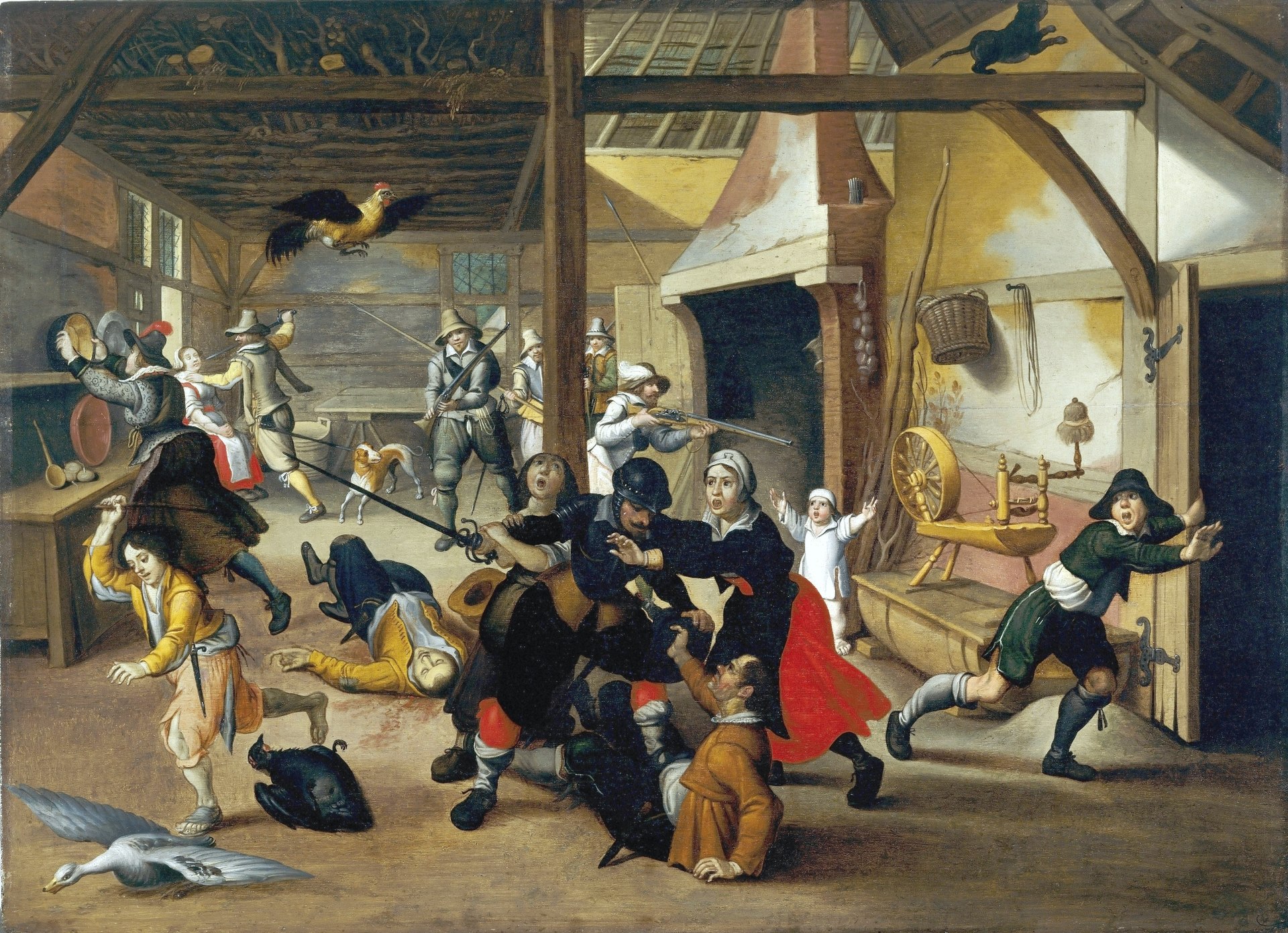
What makes this poem particularly powerful is not just the eloquence of its verses, but the harrowing context in which Rinkart wrote it. Serving as a pastor in Eilenburg, Germany, from 1617 to 1649, Rinkart endured the brutal Thirty Years’ War that ravaged central Europe with unparalleled ferocity. Touted as one of history’s most devastating conflicts, the war left Germany’s population reeling—from 20 million to just 13 million, marking the loss of 7 million lives to battle, famine, and disease.
Amidst this chaos, Eilenburg, a walled city, became a refuge for many, leading to overcrowding, starvation, and plague. Rinkart, being the sole pastor after his colleagues either fled or succumbed to illness, carried an unimaginable burden, officiating 50 to 60 funerals daily—over 5,000 in total, including that of his own wife.
In the face of unimaginable loss and suffering, Rinkart’s faith did not waver. He demonstrated remarkable bravery, even negotiating with besieging armies to prevent further harm to his town. Though the war eventually ended, it was not before leaving Rinkart exhausted, leading to his passing a year later in 1649, at the age of 63.
Yet, despite such profound trials, Rinkart’s poem stands as a testament to his unwavering trust in God’s enduring presence. How could he write a hymn of thanksgiving in such dire circumstances? The answer lies in his recognition of a greater reality beyond his suffering. Rinkart understood the power of “even though, and yet”—even though hardships and despair surrounded him, yet did he choose to rejoice in his faith.
His hymn reminds us that finding gratitude amidst adversity is possible when we anchor our trust in something greater than ourselves. Martin Rinkart’s legacy is not just his hymn but the enduring lesson that true thanksgiving stems from a heart that sees beyond its immediate trials to the eternal goodness of God.
In whatever valleys we may find ourselves, let Rinkart’s example inspire us to pause and offer thanks, acknowledging that even though we face suffering, yet we can choose to rejoice in the unyielding, unfailing love of our Creator.

Leave a Reply