By: Kurt Barnes
Have you ever felt overwhelmed by life’s trials? Perhaps you’re grappling with chronic pain, facing a devastating diagnosis, or navigating the turbulent waters of a failing relationship. In these moments, it’s easy to question God’s goodness or wonder if He’s truly in control. But what if our perspective is simply too limited?
A.W. Tozer once wrote, “What comes to your mind when you think about God is the most important thing about you, because it affects everything else in your life.” This profound statement invites us to examine our view of God and how it shapes our approach to life’s challenges.
Consider the story of Job, a man whose name has become synonymous with suffering. Despite being described as blameless and upright, Job endured unimaginable loss and pain. His friends, armed with human wisdom, tried to explain his suffering, insisting there must be a reason for his misfortune. Yet, their explanations fell short, leaving Job with more questions than answers.
It’s in this moment of despair that God Himself enters the conversation. But rather than providing Job with the answers he sought, God posed a series of thought-provoking questions:
“Where were you when I laid the foundations of the earth? Tell me, if you know so much. Who determined its dimensions and stretched out the surveying line?” (Job 38:4-5)
Through these questions, God challenges Job’s perspective, revealing the vast chasm between human understanding and divine wisdom. He points to the intricacies of creation – from the movement of stars to the habits of wild animals – demonstrating that even the simplest aspects of our world are beyond full human comprehension.
This divine monologue serves as a powerful reminder of our limited perspective. How often do we, like Job, assume we know enough about the world and God to analyze, understand, and explain His ways? Yet, if we struggle to grasp the mysteries of the physical world around us, how can we possibly fathom the depths of God’s wisdom and purposes?
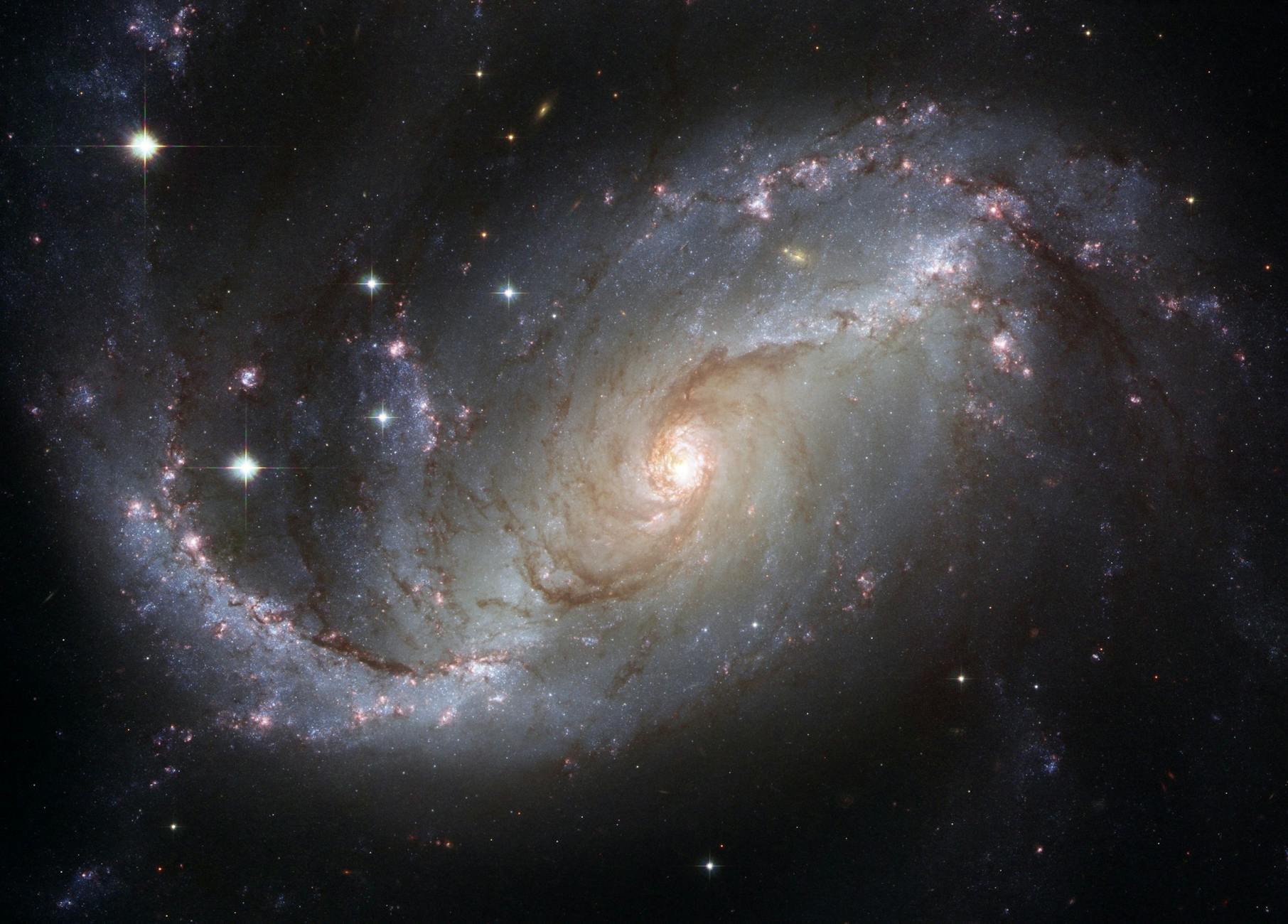
To truly appreciate the magnitude of God’s power and wisdom, let’s embark on a cosmic journey. Our sun, a mid-sized star among billions, produces enough energy in one second to power Earth for 21 trillion years. Now, multiply that by the estimated three septillion stars in the known universe – a number so vast it defies comprehension. Each of these celestial bodies was created with a single word from God.
Isaiah beautifully captures this divine power: “Who else has held the oceans in his hand? Who has measured off the heavens with his fingers? Who else knows the weight of the earth or has weighed the mountains and hills on a scale?” (Isaiah 40:12)
When we begin to grasp the sheer enormity of God’s power and wisdom, our perspective shifts. Our problems, while significant to us, pale in comparison to the vastness of His capabilities. This realization doesn’t diminish our struggles but rather places them in a new context – one where God’s wisdom and power are more than sufficient to handle our deepest concerns.
Job’s response to this divine revelation is profound: “I am nothing—how could I ever find the answers? I will cover my mouth with my hand. I have said too much already. I have nothing more to say.” (Job 42:3-5) In the face of God’s majesty, Job’s questions faded, replaced by a deep sense of awe and trust.
This encounter teaches us a valuable lesson: sometimes, what we need isn’t answers, but presence. Job wanted explanations, but God gave him something far more sustaining – a glimpse of His infinite nature. In that moment, before any of his fortunes were restored, Job found satisfaction in simply knowing who God is.
Corrie Ten Boom, who endured unimaginable suffering in a Nazi concentration camp, echoed this sentiment when she wrote, “No matter how deep our darkness, God is deeper still.” Her ability to make such a statement stemmed from seeing the bigness of God beyond the enormity of her circumstances.
So how do we apply this perspective to our daily lives? The Apostle Paul offers a powerful prayer in Ephesians:
“I pray that your hearts will be flooded with light so that you can understand the confident hope he has given to those he called—his holy people who are his rich and glorious inheritance. I also pray that you will understand the incredible greatness of God’s power for us who believe him. This is the same mighty power that raised Christ from the dead and seated him in the place of honor at God’s right hand in the heavenly realms.” (Ephesians 1:18-20)
This prayer reminds us that the same power that created the universe and raised Christ from the dead is at work in our lives. When we truly grasp this truth, it changes how we view our challenges. Our problems don’t disappear, but they’re put into perspective against the backdrop of God’s immeasurable power and wisdom.
As we navigate life’s trials, let’s strive to cultivate a high view of God. Let’s remember that while we may not always understand His ways, we can trust in His character. When we look at the world, we may feel distressed. When we look within, we might feel depressed. But when we look to God – in all His power, wisdom, and love – we can find rest.
In the face of life’s challenges, may we echo the words of the psalmist: “When I look at the night sky and see the work of your fingers—the moon and the stars you set in place—what are mere mortals that you should think about them, human beings that you should care for them?” (Psalm 8:3-4) Let this sense of awe remind us of God’s greatness and His intimate care for us, bringing peace to our hearts even in the midst of life’s storms.

Leave a Reply