By: Kurt Barnes
In our journey as followers of Christ, we often hear about the importance of bearing fruit in our lives. But how do we actually achieve this? The answer lies in a profound yet simple concept: abiding in Christ.
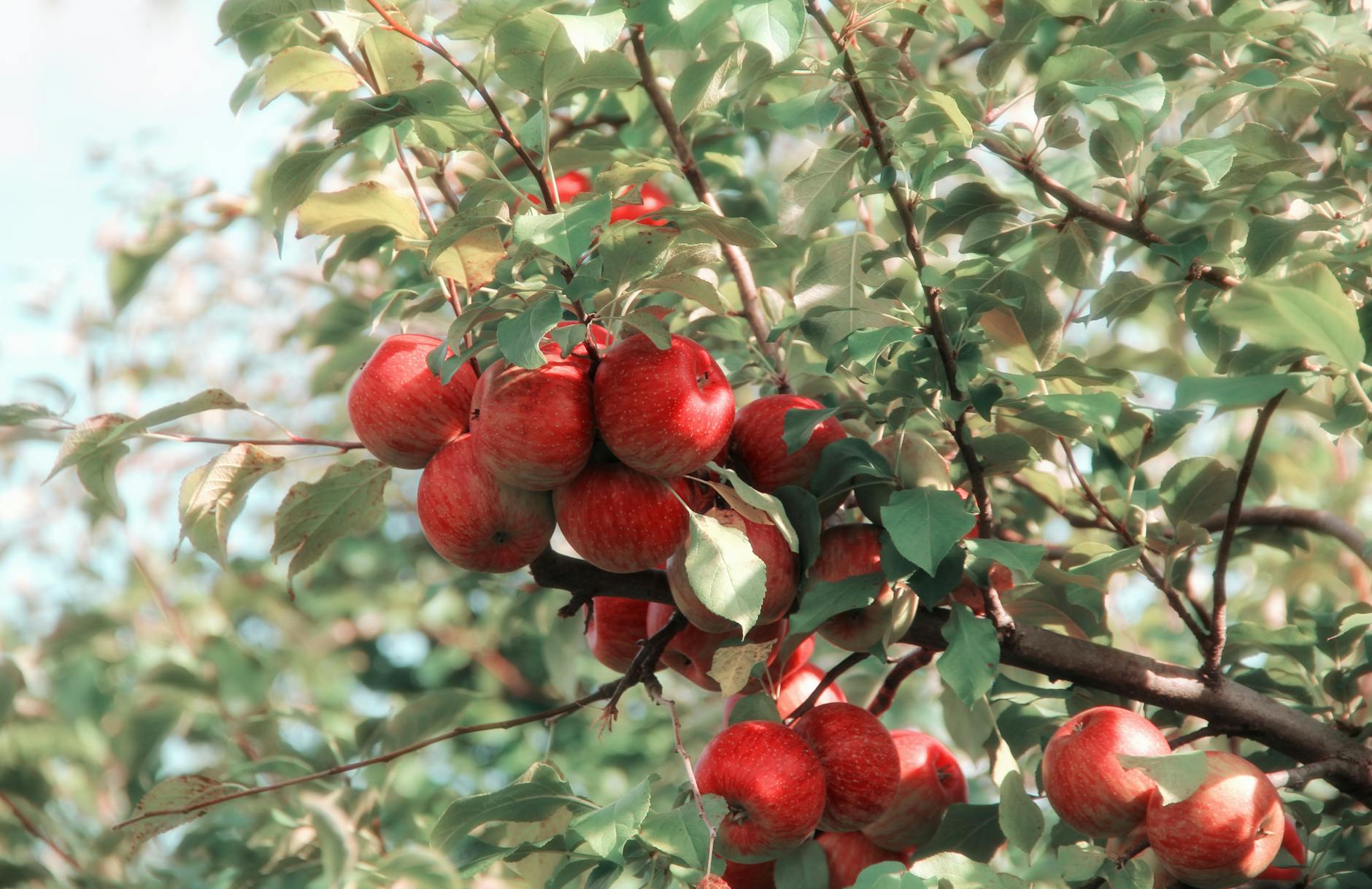
Jesus himself tells us in John 15, “I am the vine; you are the branches. Whoever abides in me and I in him, he it is that bears much fruit, for apart from me you can do nothing.” This powerful metaphor illustrates our complete dependence on Christ for spiritual growth and fruitfulness. Just as a branch cannot bear fruit unless it remains connected to the vine, we cannot produce spiritual fruit unless we remain connected to Jesus.
But what does it mean to abide in Christ? It’s more than just believing in Him or attending church regularly. Abiding is about dwelling, remaining, and living in constant connection with Jesus. It’s about allowing His words to dwell in us richly, and His love to permeate every aspect of our lives.
The apostle Paul expands on this concept in Galatians 5, where he contrasts the works of the flesh with the fruit of the Spirit. It’s crucial to understand that Paul doesn’t command us to produce love, joy, peace, patience, kindness, goodness, faithfulness, gentleness, and self-control. Instead, he instructs us to “walk by the Spirit” and “keep in step with the Spirit.” In other words, our job is to abide in Christ, and the Holy Spirit’s job is to produce fruit in and through us.
This understanding liberates us from the exhausting effort of trying to manufacture spiritual fruit through our own willpower. We can’t simply decide to be more loving or joyful. True transformation comes from the inside out, as we open ourselves up to the work of the Holy Spirit in our lives.
But in a world that constantly pulls us away from this intimate connection with Christ, how do we cultivate a lifestyle of abiding? It requires intentional counter-formation to the patterns of this world. As Paul writes in Romans 12:2, “Do not conform to the pattern of this world, but be transformed by the renewing of your mind.”
This transformation happens through several key avenues:
- The Stories We Believe: Our minds are wired for stories, and the narratives we embrace shape our thoughts, decisions, and actions. Are we believing the world’s stories about success, happiness, and fulfillment, or are we immersing ourselves in God’s story of redemption, grace, and kingdom living?
- Our Habits: What we repeatedly do shapes who we become. The spiritual disciplines of prayer, Scripture reading, worship, and fellowship aren’t just religious duties; they’re transformative practices that align our hearts with God’s.
- Our Relationships: We become like the people we spend the most time with. Surrounding ourselves with a community of believers who are also pursuing Christ-likeness is crucial for our spiritual formation.
- Our Environment: The cultures and spaces we inhabit shape us in subtle yet powerful ways. We need to be intentional about creating and seeking out environments that nurture our faith rather than erode it.
- Time: Transformation is rarely instantaneous. It’s a process that unfolds over months, years, and decades. As Eugene Peterson famously put it, discipleship is “a long obedience in the same direction.”
- Experiences: Both positive and negative experiences can be catalysts for spiritual growth when we view them through the lens of our identity in Christ.
The goal of all this is not just to become slightly better versions of ourselves. Jesus didn’t come to make us only marginally improved people. His desire is for us to be radically transformed into His likeness, bearing fruit that reflects His character and brings glory to the Father.
This fruit-bearing life isn’t just for our own benefit. Jesus tells us in John 15:8, “By this my Father is glorified, that you bear much fruit and so prove to be my disciples.” Our fruitfulness is a testimony to the world of the reality and power of Christ in our lives.
Moreover, as we abide in Christ, we find that our joy becomes complete. Jesus says, “These things I have spoken to you, that my joy may be in you, and that your joy may be full” (John 15:11). There’s a deep, abiding joy that comes from living in intimate connection with our Creator and Savior.
The invitation to abide in Christ is also an invitation to experience the overflowing life of the Spirit. Jesus proclaimed, “Whoever believes in me, as Scripture has said, rivers of living water will flow from within them” (John 7:38). This isn’t just about personal spiritual satisfaction; it’s about becoming channels of God’s grace and love to a thirsty world.
As we embrace this lifestyle of abiding, we may not always feel dramatic changes happening day by day. But over time, we’ll begin to notice a transformation taking place. We’ll find ourselves responding to situations with more love, experiencing more joy in difficult circumstances, extending more patience to those who frustrate us. These aren’t the result of our own efforts, but the natural outflow of a life deeply rooted in Christ.
The journey of abiding in Christ and bearing spiritual fruit is not always easy. It requires intentionality, perseverance, and often goes against the grain of our culture. But it’s a journey that leads to true fulfillment, purpose, and an ever-deepening relationship with our Creator.
So let us commit ourselves anew to abiding in Christ. Let’s immerse ourselves in His Word, spend time in His presence, surround ourselves with His people, and open our hearts to the transforming work of His Spirit. As we do, we’ll find ourselves becoming more and more like the One we follow, bearing fruit that will last for eternity.
Remember, the question is not whether we’re being formed, but what we’re being formed into. May we be intentional about our spiritual formation, allowing the Spirit to shape us into the image of Christ, for His glory and for the good of the world around us.

Leave a Reply