By: Kurt Barnes
Yesterday started like many other volunteer days at my child’s school. The familiar sounds of learning and youthful energy filled the halls. Then, suddenly, the world shifted… Lockdown. Immediately. Not a drill.
In an instant, the lights went off, doors were secured, and a heavy, palpable silence fell over the classroom where I was volunteering. In that darkness, surrounded by children whose wide eyes reflected genuine terror, time seemed to warp. As minutes stretched into an eternity, filled only by the sound of our own breathing and the soft sounds of crying, my prayers became whispers. Kids huddled close to me in the corner, seeking reassurance. All I could offer were quiet affirmations, whispered words of “I am here with you,” “We’re here together”, and “Come closer”
I was, and remain, profoundly struck by the teachers and school staff. With so much unknown, they moved with a quiet professionalism born of training but fueled by deep care. They instantly became protectors, shielding a room full of other people’s children with selfless courage. It was a stark reminder of the immense responsibility they carry every single day, far beyond lesson plans and grades.
Eventually, the all-clear came. Relief washed over us, thick and heavy. Later, we learned the cause: a “swatting” call, a cruel hoax designed to incite exactly the kind of fear and chaos we experienced. While immense gratitude flooded in knowing everyone was physically unharmed, the emotional and psychological impact lingered.
Like many of you, I found myself glued to social media and news reports last night, trying to piece together the fragments, seeking understanding, perhaps just needing to process. Sleep offered little respite, bringing vivid nightmares that jolted me awake at 2:30 AM, the adrenaline still coursing. That fear, even from a false alarm, is real. The anxiety is real. And if I’m feeling this as an adult volunteer, I know our children, our families, are feeling it deeply today.
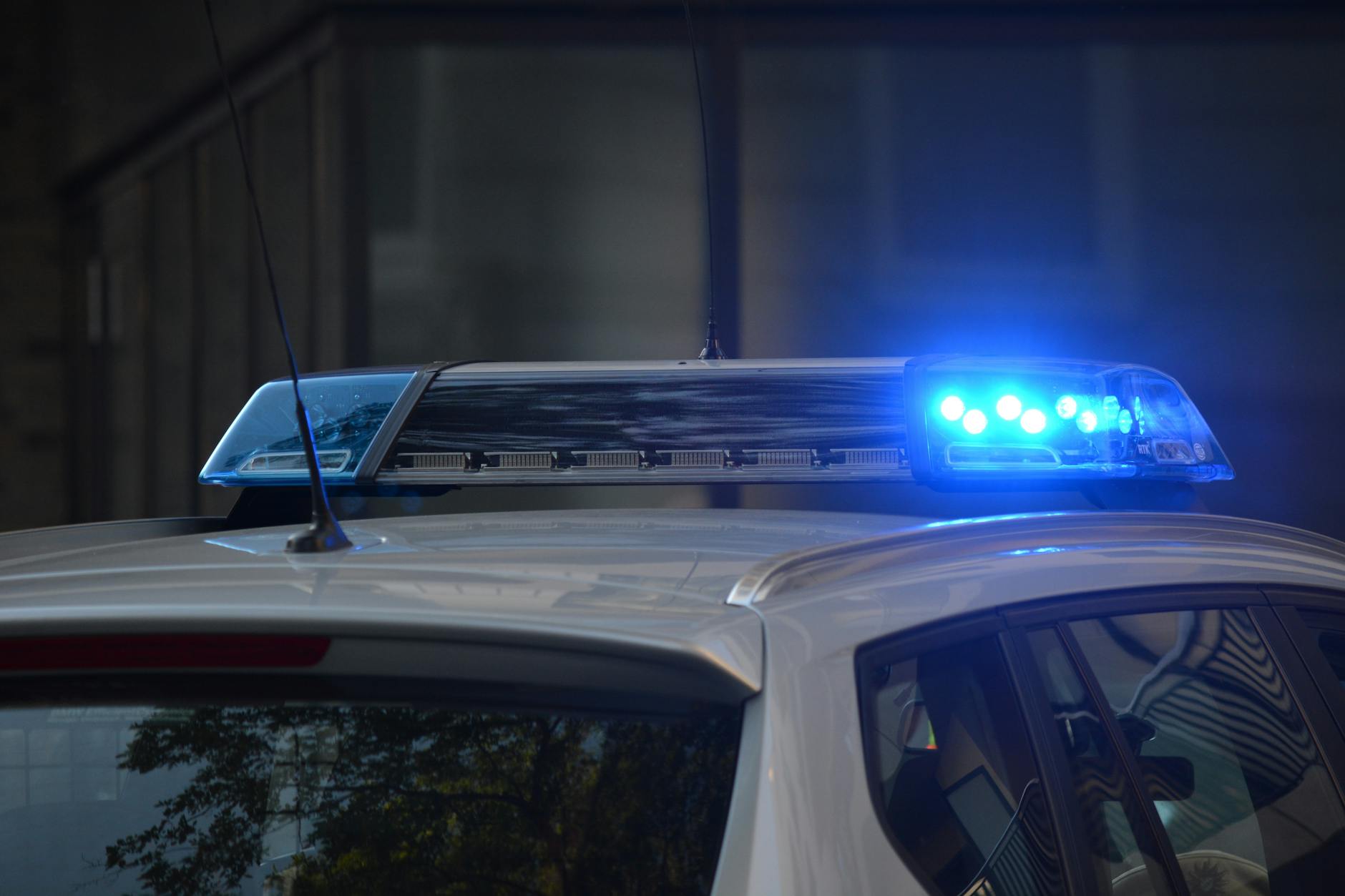
First, I want to express my deepest gratitude to the incredible teachers and staff at our schools. Your bravery and calm under pressure were nothing short of heroic. Thank you to the Silverton Police Department and all the other law enforcement and emergency agencies who responded so swiftly and professionally to ensure our children’s safety.
But now, today, the question becomes: How do we move forward? How do we help our children – and ourselves – navigate the fear and anxiety that naturally follow an event like this? As a pastor, my heart aches for our community, and I am praying for you and your students. I want to also offer some gentle, practical thoughts:
Helping Our Kids (and Ourselves) Heal:
- Validate Their Feelings (and Yours): It’s okay to be scared, anxious, angry, or confused. Tell your children this. Share that you felt scared too. Don’t dismiss their fears or say “it was nothing” just because it was a false alarm. The experience of fear was absolutely real. Use phrases like, “That sounds really scary,” or “It makes sense you’re feeling worried after that.”
- Talk About It (But Don’t Force It): Create safe spaces for your kids to talk about what they saw, heard, and felt. Listen more than you speak. Answer their questions honestly. Avoid graphic details, but don’t shy away from acknowledging the reality of the situation. If they don’t want to talk, let them know you’re there when they’re ready. Sometimes drawing or playing can help them express feelings they can’t verbalize.
- Limit Media Exposure: Constant replays of news reports or scrolling through social media commentary can re-traumatize both children and adults. Be mindful of what’s on the TV or Social Media, and consider limiting your own consumption if it’s increasing your anxiety (as I learned the hard way last night).
- Re-establish Routine and Safety: Predictability can be very comforting after chaos. Stick to regular routines for meals, homework, and bedtime as much as possible. Reassure them repeatedly that they are safe now. Point out the security measures the school has in place, the locked doors, the caring adults.
- Focus on the Helpers: Remind your children about the brave teachers, the school staff, and the police officers who came to help and keep everyone safe. This reinforces the idea that there are good people working to protect them. (Thanks Mr. Rogers Neighborhood)
- Take Care of Yourself, Too: Parents, caregivers, teachers – we absorb so much of our children’s fear and anxiety, on top of our own. Acknowledge your feelings. Talk to your spouse, a friend, a pastor, or a trusted advisor. You can’t pour from an empty cup. It’s okay to need support too. Getting enough rest (easier said than done, I know), eating well, and finding moments for calm can make a difference.
- Watch for Lingering Signs: It’s normal for children (and adults) to have some difficulty sleeping, changes in appetite, clinginess, or jumpiness for a little while after a frightening event. However, if these issues persist for weeks, significantly interfere with daily life (school, play, relationships), or if you notice more intense anxiety, withdrawal, or recurring nightmares, please reach out for professional support. School counselors, pediatricians, and mental health professionals are valuable resources.
Yesterday was frightening. Today might still feel heavy with anxiety. But we are a community. We experienced this together, and we can heal together. Let’s lean on each other, offer grace, listen patiently, and hold onto hope. Let’s check in on our neighbors and friends. In the shared vulnerability of acknowledging our fear, we can find strength and resilience.
Please feel free to share your own experiences or helpful strategies in the comments. How are you and your family navigating today? Let’s support one another. How can I pray for you and your kids today?

Leave a Reply