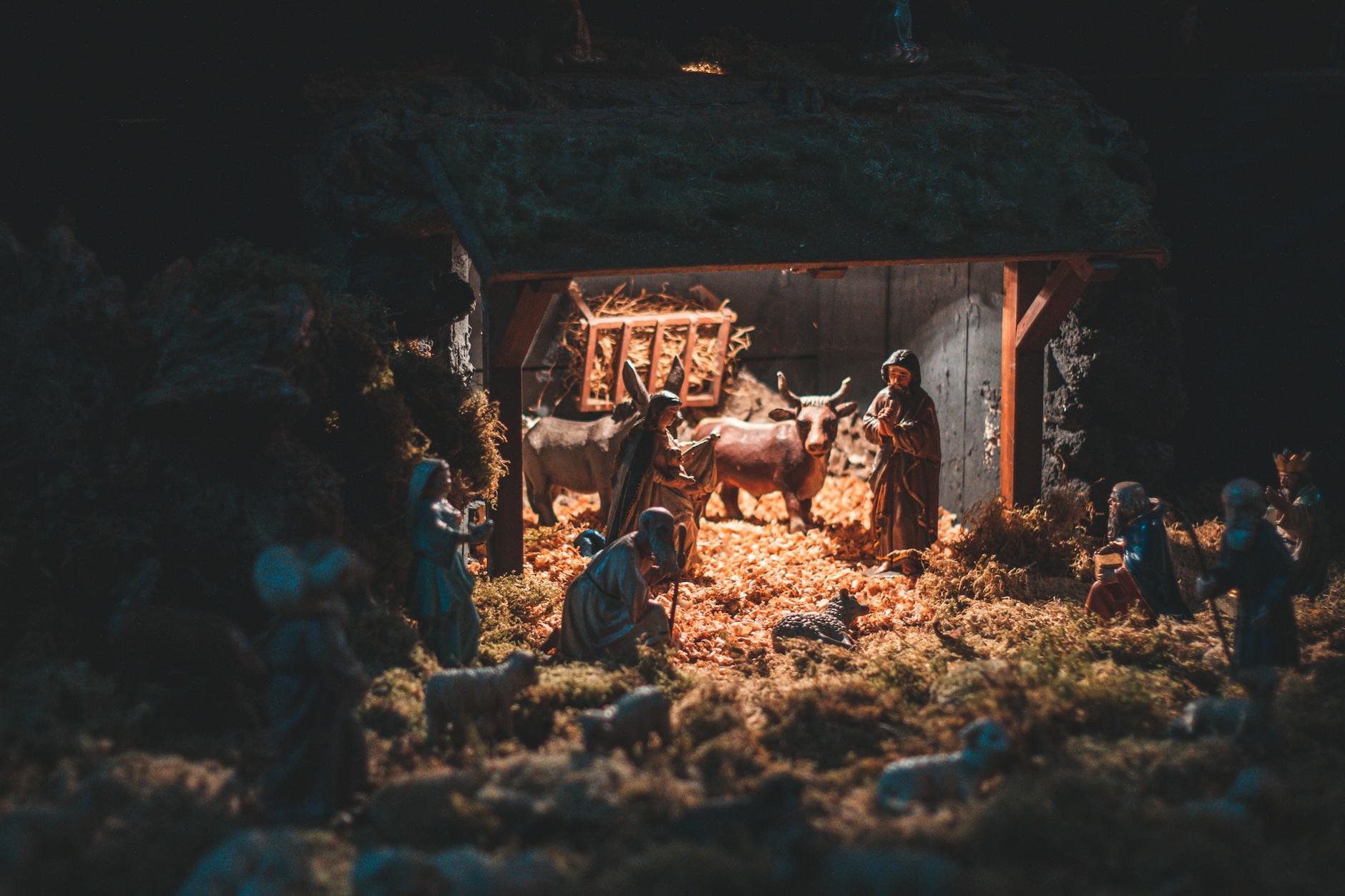

There’s a danger that comes with familiarity. When we’ve heard a story countless times—seen it depicted in nativity scenes, sung about in carols, watched it animated in holiday specials—something precious can slip away. The wonder fades. The mystery becomes routine.
This is particularly true of the Christmas story. We live in a culture where “Silent Night” plays in R-rated comedies and “God Rest Ye Merry Gentlemen” soundtracks animated chase scenes. For many, there’s no difference between songs about Santa and songs about the Savior—it’s all just festive tradition, a pleasant fairy tale to mark the season.
But what if we paused? What if we looked past the familiarity and saw the Christmas narrative for what it truly is: the hinge point of all human history, the moment when God Himself entered our broken world to accomplish what we never could?
The Unlikely Recipients
The shepherds of first-century Judea occupied the lowest rungs of society’s ladder. These weren’t romantic figures gazing peacefully at starlit skies. They were despised, dirty, and distrusted—men whose very profession rendered them ritually unclean under the religious laws of their day.
Constant contact with animals meant they couldn’t perform the purification rites required to participate in temple worship. The Mishnah—the collection of rabbinic oral tradition—grouped shepherds alongside tax collectors as people of such low repute that their testimony wasn’t even accepted in court. They were perpetually defiled, perpetually excluded, perpetually on the outside looking in at the religious life of God’s people.
Imagine the cruel irony: shepherds who raised the very lambs used for temple sacrifices were considered too unclean to offer one themselves. The religious elite believed that if everyone would just follow the Law properly, the Messiah would finally come. And people like these shepherds? They were part of the problem. Their sin, their uncleanliness, was what was holding everything back.
The Root of All Brokenness
Here’s the uncomfortable truth the shepherds’ situation illustrates: our peace with God was broken from the very beginning.
The moment Adam and Eve first sinned, humanity declared war against its Creator. What was once unity—one family, perfect communion—became separation. Sin isn’t merely a flaw or a mistake; it’s a terminal spiritual condition that unleashed every form of suffering into God’s perfect creation. Death, sickness, hatred, jealousy, betrayal, pain—all the bitter fruit we know stems from this poisonous root.
The prophet Isaiah captured this reality starkly: “But your iniquities have separated you from your God; your sins have hidden his face from you, so that he will not hear” (Isaiah 59:2).
The religious leaders were hypocritical in their judgment of the shepherds, yes. But the underlying spiritual principle was tragically correct: sin does make us unclean. It does separate us from a holy God. Romans 3:23 confirms what we all instinctively know: “For all have sinned and fall short of the glory of God.”
This is the deepest dimension of broken peace—apart from Christ, all of humanity is spiritually unclean and at war with God.
The Perfect Lamb
Old Testament law demanded perfection in sacrifice. Leviticus specified that only animals “without defect” could be offered to God—no blemishes, no flaws. Only perfection could symbolically cover sin, at least temporarily.
But here’s what the ancient sacrificial system pointed toward: no animal sacrifice could ever truly remove guilt or reconcile us to God. A greater sacrifice was needed.
The ultimate irony of that first Christmas night is breathtaking. The shepherds—guardians of sacrificial lambs—were invited to see the one and only Lamb of God. The child wrapped in swaddling clothes, lying in a manger, was the perfect, permanent sacrifice required to end the war between God and humanity.
When the angel appeared to those terrified shepherds, the message was earth-shattering: “Do not be afraid. I bring you good news that will cause great joy for all the people. Today in the town of David a Savior has been born to you; he is the Messiah, the Lord” (Luke 2:10-11).
This was the divine antidote to our broken peace with God.
The War Is Over
John the Baptist would later point to Jesus and declare, “Look, the Lamb of God, who takes away the sin of the world!” (John 1:29). Jesus is the fulfillment of the entire sacrificial system—the perfect, unblemished sacrifice demanded by God’s justice.
The peace He brings isn’t just pleasant feelings or temporary calm. It’s reconciliation with God. We’re not merely excused; we’re forgiven and declared righteous. The cosmic war is over.
Paul writes in Romans 5:1: “Therefore, since we have been justified through faith, we have peace with God through our Lord Jesus Christ.”
Think about what happens when a war ends. The celebrations, the relief, the joy—people dancing in the streets because the conflict that cost so much has finally ceased. That’s what should happen in our hearts when we truly grasp this news: the war with God is over for those who are in Christ.
Yet like the Japanese soldier who kept fighting on a remote island for nearly 30 years after World War II ended—simply because he didn’t know the war was over—many believers continue living as though God is still angry, still punishing, still distant.
The peace treaty has been signed in Christ’s precious blood. Our sin has been paid for in full. The sin that separated us from God has been separated from us once and for all because of Jesus. This peace is a settled reality, not a fleeting feeling.
Peace Between People
But the peace Christ brings doesn’t stop with our vertical relationship with God. It transforms our horizontal relationships with each other.
God’s choice of the shepherds as the first invited guests and first evangelists was deliberate. By choosing those whom the religious elite dismissed, God flipped the social script. His Kingdom operates on grace, not human merit, wealth, or status.
Paul explains in Galatians 3:28: “There is neither Jew nor Gentile, neither slave nor free, nor is there male and female, for you are all one in Christ Jesus.”
The superficial, human-made lines that separated shepherds from Pharisees, slaves from free people, outsiders from insiders—all are erased in Christ. The Church becomes living proof: a new family bound together not by culture, race, gender, or wealth, but by shared adoption through Jesus Christ.
Peace Given to Be Shared
After the shepherds saw the child, Luke tells us they “spread the word concerning what had been told them about this child” (Luke 2:17). They immediately transitioned from receivers of peace to proclaimers of peace.
This is our calling too. Paul writes in 2 Corinthians 5:18-19: “Through Christ, God made peace between us and himself. And God gave us the work of bringing everyone into peace with him… God was in Christ, making peace between the world and himself.”
We are ambassadors entrusted with the ministry of reconciliation. We’re sent into a world still defined by broken relationships and spiritual hostility to declare the terms of the peace treaty won on the cross.
The peace we receive is given to us to give to others.
Reclaiming the Wonder
This Advent season, let’s not allow familiarity to rob us of wonder. The Christmas story isn’t a fairy tale or a pleasant tradition. It’s the announcement that God Himself entered our darkness to make a way back to Him.
The Prince of Peace has come. The war is over. And His peace—real, transformative, eternal peace—is for all people.
Even shepherds. Even you. Even me.

Leave a Reply