There’s a massive gap between the relationships we want and the relationships we actually have. We dream of marriages marked by intimacy and joy, families characterized by peace and patience, friendships that go deep rather than staying surface-level. Yet when we look honestly at our lives, we often find tension, exhaustion, and disappointment instead.
Our default response? We try harder. We manufacture the fruit.
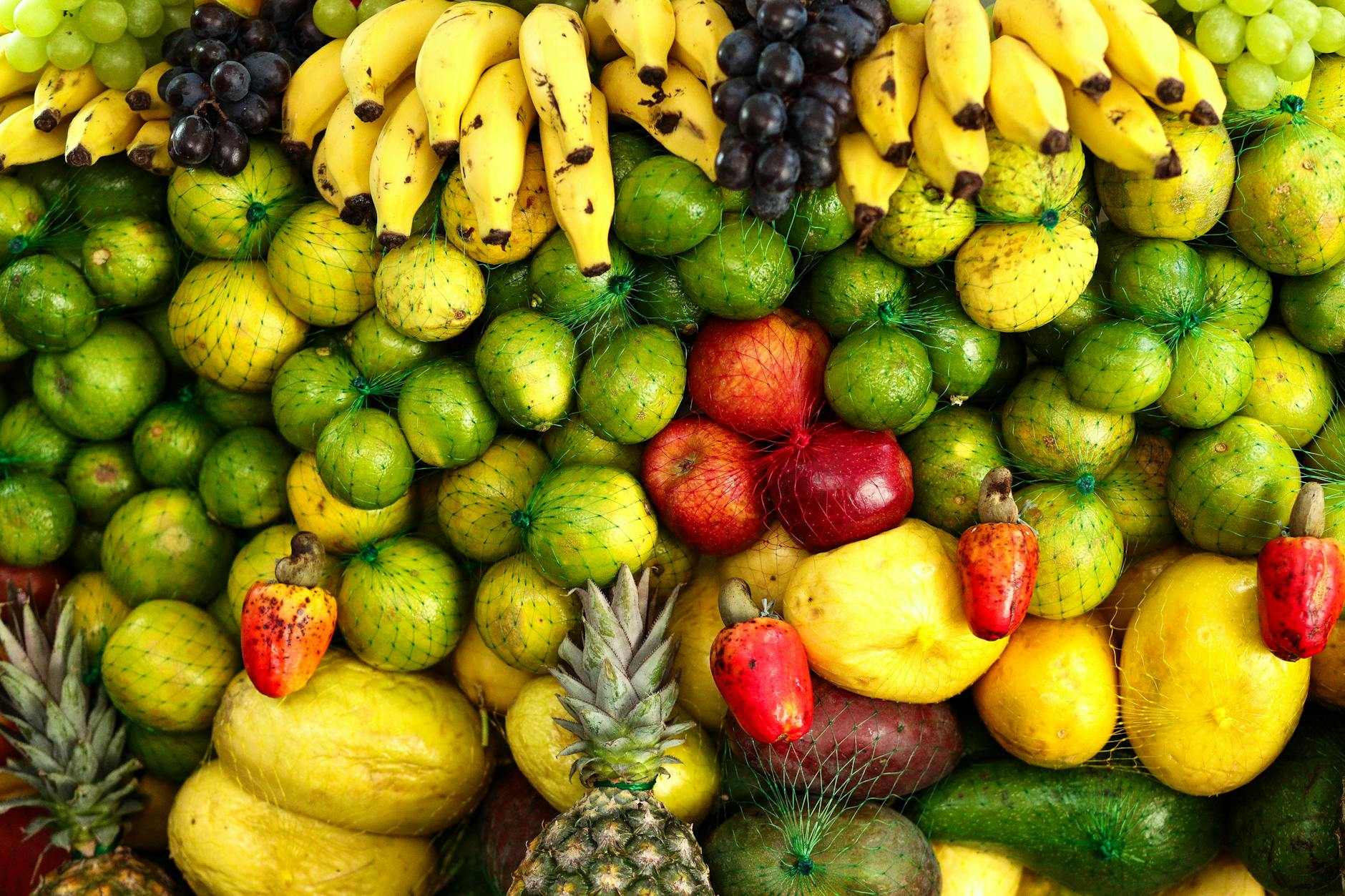
Picture a plastic tree decorated with duct-taped artificial apples and oranges. From a distance, it looks healthy and productive. But get close enough to take a bite, and you’ll break your teeth on lifeless plastic. This is the picture of our striving—impressive from afar, but incapable of nourishing anyone, including ourselves.
We are a culture of doers and fixers. When marriage gets tense, we force date nights and grab the newest relationship book. When kids act out, we grit our teeth and count to ten—at least in public. When friendships get awkward, we avoid real conversations and pretend everything is fine. We exhaust ourselves trying to create healthy relationships through sheer human willpower.
For a while, we can fake it. We can maintain appearances. But manufactured fruit eventually gets exposed. And the effort of constantly maintaining that facade leaves us anxious, frustrated, and completely depleted.
The Operating System We’ve Been Missing
In John 15, Jesus offers a radically different approach. On the night of His arrest, in His final hours with His disciples, He doesn’t give them coping mechanisms or survival strategies. He hands them the permanent operating system for the Christian life.
“I am the vine; you are the branches,” Jesus declares. “Whoever abides in me and I in him, he it is that bears much fruit, for apart from me you can do nothing.”
Nothing means nothing.
This isn’t hyperbole or spiritual poetry. Jesus is attacking our inner manufacturer head-on. Yes, apart from Christ we can sign mortgages, maintain careers, and post happy family photos on social media. We can survive and even appear successful. But when it comes to bearing genuine, life-giving fruit—the kind that transforms hearts and impacts generations—we are utterly incapable in our own strength.
This is the operational reality of the universe. If we want the fruit, we must be entirely dependent on the Vine.
What Are You Abiding In?
The word “abide” appears ten times in ten verses in John 15. Jesus is clearly emphasizing something critical. The Greek word menō means to stay, to remain, to dwell, to take up permanent residence, to make yourself at home.
Every time Jesus uses “abide,” it’s followed by “in.” This matters enormously. Abiding isn’t just about slowing down or getting quiet. It’s about what we abide in.
We’re all abiding in something. The question is what.
Some of us abide in our careers, constantly checking email and defining our worth by productivity. Others abide in relationships, making our spouse or children the ultimate source of our identity and happiness. Still others abide in distractions, entertainment, or addictions—anything to avoid the discomfort of stillness.
What has captured your attention, your habits, your priorities, your imagination? Because what you abide in determines what kind of fruit is produced in your life.
The Practice of Being in Two Places at Once
Throughout Scripture, this concept of continuous connection with God appears again and again, using different language but pointing to the same reality.
Paul tells the Colossians to let their roots grow down into Christ, to be continually built up in Him. He instructs the Thessalonians to “pray without ceasing” and “give thanks in all circumstances.” In 2 Corinthians 3:18, he describes how we “contemplate the Lord’s glory” and are “transformed into his image with ever-increasing glory.”
The Greek word translated “contemplate” comes from the word for mirror. It carries a beautiful double meaning: to gaze intently at something, and to reflect what you’re looking at. When we fix our gaze on Jesus continuously, we naturally begin to reflect His glory back into the world.
What you gaze at, you become.
This is the invitation: to learn to be in two places at once. Drinking morning coffee in your living room and intentionally aware of God’s presence. Sitting in traffic and remaining connected to the Holy Spirit. Responding to emails and open to divine leading. Having lunch with a coworker and communing with the Father.
A Dishwasher’s Secret
Brother Lawrence, a 15th-century French monk, devoted his life to what he called “the practice of the presence of God.” Despite being an uneducated former soldier who worked as a dishwasher in a monastery kitchen, he became renowned for his spiritual wisdom and remarkable peace.
He wrote: “The time of business does not with me differ from the time of prayer, and in the noise and clatter of my kitchen, while several persons are calling for different things, I possess God in as great tranquility as if I were upon my knees at the Blessed Sacrament.”
In the busyness and chaos of a hectic kitchen, he experienced God’s presence as powerfully as during formal worship. This wasn’t because he was special or super-spiritual. It was because he practiced—deliberately, consistently—living in conscious awareness of God’s presence.
There is nothing that will enrich our lives more than a deeper and clearer perception of God’s presence in the routine of daily living.
What Abiding Actually Looks Like
Abiding is not passivity. It’s not sitting around waiting for God to magically fix everything while we do nothing. It’s highly active—it takes tremendous effort to quiet our souls, resist the urge to control and fix in our own strength, and wait on the Lord. It’s an aggressive surrender.
Abiding is also not anti-strategy. Having a budget, going to counseling, or scheduling intentional time together are all good things. Abiding doesn’t mean throwing planning out the window. It means ensuring our actions are born of the Spirit rather than just human willpower.
Abiding is active dependence—the moment-by-moment realization that you are a branch, not the vine. It’s loving from the overflow rather than trying to be the Holy Spirit in your own home. It’s the deep, freeing exhale where you realize you don’t have to create the patience, joy, or peace your relationships need. You just have to stay connected to Jesus and let His patience and peace flow through you.
You aren’t the source of the water. You’re just the hose.
This takes practice. We’re so wired to hustle and manufacture that learning to abide requires intentional training. But the alternative—the exhausting cycle of duct-taping plastic fruit to our lives—simply doesn’t work.
Apart from Him, we can do nothing. Connected to Him, we can bear fruit that actually nourishes, refreshes, and transforms everyone around us.

Leave a Reply