There is a question buried in the pages of Exodus that cuts through every layer of religious comfort we have carefully constructed around ourselves. It is not a question about doctrine or denomination. It is not a question about church attendance or moral performance. It is far more personal, far more exposing, and far more urgent than any of those things.
The question is simply this: Do you want the blessings of God, or do you want God Himself?
The Offer That Should Have Terrified Them
In the immediate aftermath of Israel’s catastrophic rebellion with the golden calf, God makes an offer that sounds, on the surface, like extraordinary grace. He tells Moses that He will still give the people the Promised Land. He will send an angel to drive out their enemies. The mission will succeed. The borders will expand. The milk and honey are still on the table.
Every box on the ancient wish list gets checked.
And yet the people wept. They called it a disastrous word. Because buried inside the generous offer was a single devastating caveat: God Himself would not go with them. They could have everything they had ever dreamed of, and they would have to live in it without His presence.
That moment forces a reckoning that is just as relevant today as it was at the foot of Sinai. It is entirely possible to pursue a version of faith that is really just a transaction. Give God your Sunday mornings, your church membership, and a reasonable portion of your income, and in return He fixes your finances, heals your body, protects your family, and punches your ticket to heaven. You get the perks of the Kingdom without the King. You get His presents without His presence.
The tragedy is that millions of people have settled for exactly that arrangement, and they call it Christianity.
What True Repentance Actually Looks Like
When Israel stripped off their ornaments at God’s command, it was not merely a change of wardrobe. Those ornaments had come from Egypt, given to them supernaturally on the night of the Passover. Some of those very pieces of gold had been melted down into the calf they worshiped. Removing them was a public act of grief over the offense itself, not just its consequences.
This is the line the Apostle Paul draws in 2 Corinthians 7:10, where he describes the difference between godly grief and worldly grief. Worldly grief mourns consequences. It worries about reputation, about what people will think, about the practical fallout of poor decisions. Godly grief mourns the offense against God Himself. It sounds like King David in Psalm 51:11, sitting in the ruins of his moral failure as king of Israel, surrounded by wealth and power and military dominance, praying not that God would protect his crown or his treasury, but simply that God would not remove His presence.
David had watched King Saul sit on a throne with a crown on his head while the presence of God departed from him. He understood the terrifying truth: a man with all the power in the world, living outside the presence of God, is nothing more than a dead man wearing a crown.
The Distance Sin Creates
Because of Israel’s rebellion, Moses had to pitch a tent far outside the camp to meet with God. The entire congregation would stand at their tent doors and watch him walk across the open desert toward that distant tent, waiting to see if their mediator would find mercy or judgment. When the pillar of cloud descended and blocked the entrance, they fell to their knees and worshiped from a distance.
That image tells us something essential. We cannot march into the presence of a holy God on our own merit. The distance is real. The holiness of God is not a cozy campfire. It is, as the author of Hebrews declares, a consuming fire. Our sin has made us combustible in the presence of absolute purity.
But Moses was not the final mediator. Hebrews 4 points us to a greater High Priest, one who passed through the heavens, who was tempted in every way we are yet without sin, and who invites us to draw near to the throne of grace with confidence. And in Hebrews 13:12, we see the stunning parallel: Jesus suffered outside the gate in order to sanctify the people through His own blood. He did not stay outside the camp to keep us at arm’s length. He took the distance upon Himself so that God’s presence could dwell inside of us.
The Only Mark That Matters
Moses makes one of the boldest intercessions in all of Scripture when he draws a hard line in the desert sand. He tells God that if His presence does not go with them, they are not taking another step. And then he names the reason: the only thing that distinguishes the people of God from every other people on the face of the earth is the manifest presence of God in their midst.
That truth deserves to land heavily on the modern church. It is entirely possible to build a thriving religious organization with excellent programs, a compelling atmosphere, and impressive budgets, with zero involvement from the Holy Spirit. Human talent can gather a crowd. Only the Spirit of God can resurrect a dead soul. A clever lecture can inform the mind. Only the presence of God can shatter the grip of addiction and turn a heart of stone into a heart of flesh.
Hidden in the Rock
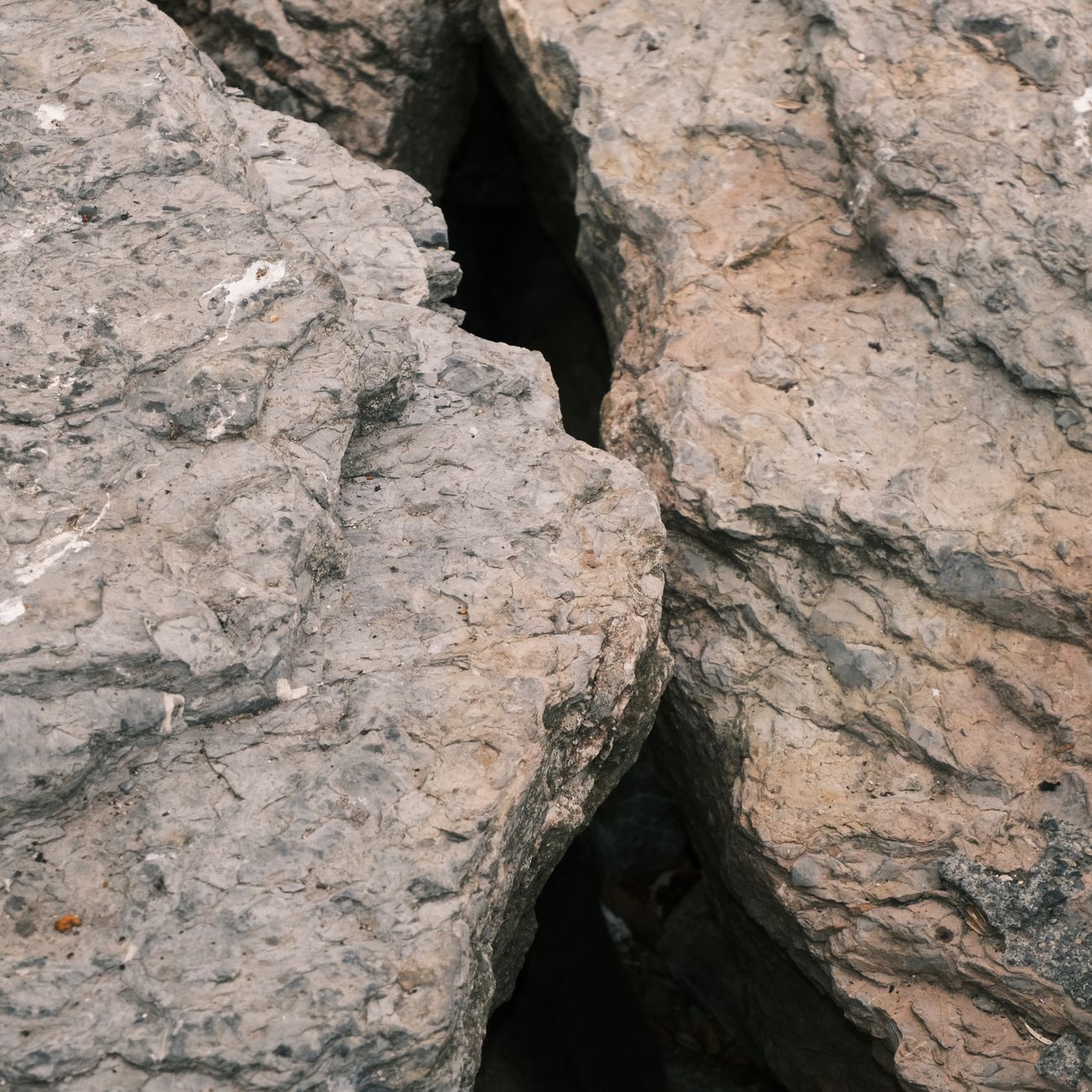
When Moses asks God to show him His glory, God does something unexpected. He does not parade His military power. He reveals His heart. He declares His goodness, proclaims His name, and announces His sovereign mercy. And then He solves the impossible tension between His holiness and human frailty by hiding Moses in the cleft of a rock, shielding him with His own hand as His glory passes by.
That image is the Gospel in a single frame. We cannot stand before the consuming fire of God’s holiness in our own moral performance. But God has not left us without a hiding place. Paul writes in Colossians 3:3 that our lives are hidden with Christ in God. Jesus Christ is the Rock that was struck open by the righteous judgment of God so that a cleft could be made for guilty sinners. When you place your faith in Him, God covers you with His grace, and when His justice passes over your life, He sees the flawless righteousness of His Son.
Do not settle for a comfortable religious life built on blessings without the Blesser. The gifts without the Giver are a spiritual wasteland. There is only one safe place in the universe for a human soul, and it is hidden inside the wounds of Jesus Christ.
Run there. Stay there. And refuse to take another step without His presence.

Leave a Reply